
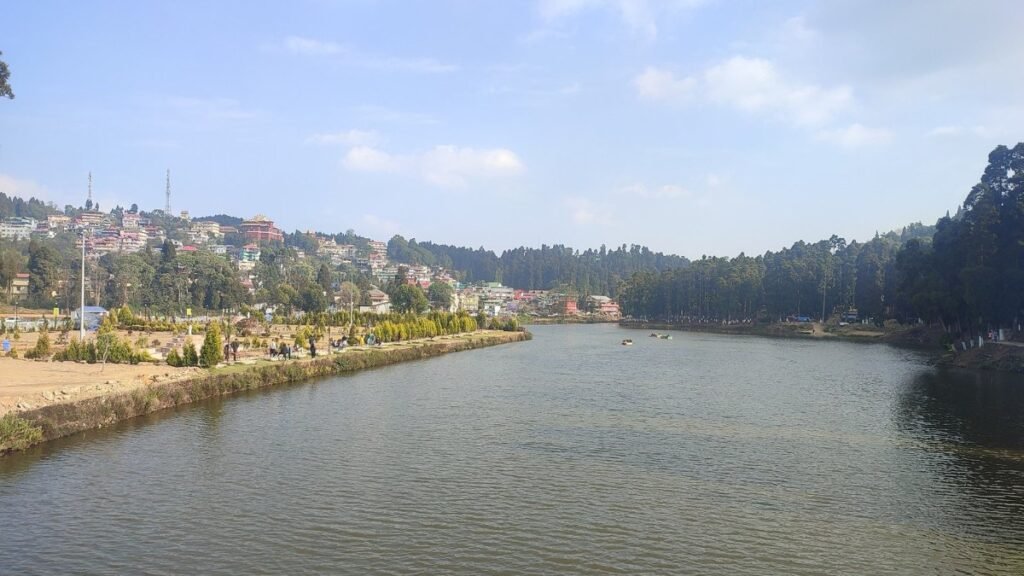
Mirik is a small hill town in the Darjeeling district of West Bengal, about 1,495 metres above sea level, built around Sumendu Lake and wrapped in pine forest and tea estates. It is where many of us go when Darjeeling feels too crowded: you can walk around the lake in under an hour, drive up to a monastery or a viewpoint, and still be back in time for tea. This guide brings together everything we have written about Mirik, so you can decide when to go, how to get there and what is worth your time once you arrive.
Contents
Mirik at a glance
| Fact | Details |
|---|---|
| Where | Darjeeling district, West Bengal. The town has been the headquarters of its own subdivision since 2017. |
| Elevation | About 1,495 m (4,905 ft) |
| The name | From the Lepcha words Mir-Yok, usually explained as “place burnt by fire” |
| Best for | Slow weekends, lake walks, tea estates, pine forest and easy viewpoints |
| Time needed | One day for the highlights, two or three for a relaxed stay |
| From Siliguri | About 50 km by road |
| From Darjeeling | About 45 to 50 km by road |
| Nearest airport and station | Bagdogra (IXB) and New Jalpaiguri (NJP), both near Siliguri |
Distances are approximate, and travel time depends on traffic, road works and weather, so allow extra time in the monsoon.
Is this hill town right for your trip?
It is not a town of big sights. Its charm is the pace, so it helps to know what kind of trip you want before you commit a day or two.
It suits you if you enjoy easy walks and sitting by the water, want cooler and quieter evenings, are travelling with children or older family members who prefer flat paths, or want a tea-and-pine-forest day trip from Siliguri or Darjeeling.
It may feel slow if you want a long list of attractions, busy markets and nightlife, or a famous sunrise point. For that, Darjeeling will keep you busier, and many travellers happily combine the two.
Best things to do in Mirik
These are the seven places most visitors enjoy, in roughly the order that makes sense on the ground. Our shorter list of places to visit in Mirik is handy if you only have a few hours.
1. Sumendu Lake
The lake is the centre of town and the best place to start. A road of about 3.5 km circles it, with pine trees on one side and gardens on the other, and an arched footbridge links the two. Boating and horse rides are usually available, and on a clear morning you may see Kanchenjunga on the horizon. Go early or near sunset, when the light is soft and the lakeside is quiet.
2. Bokar Monastery
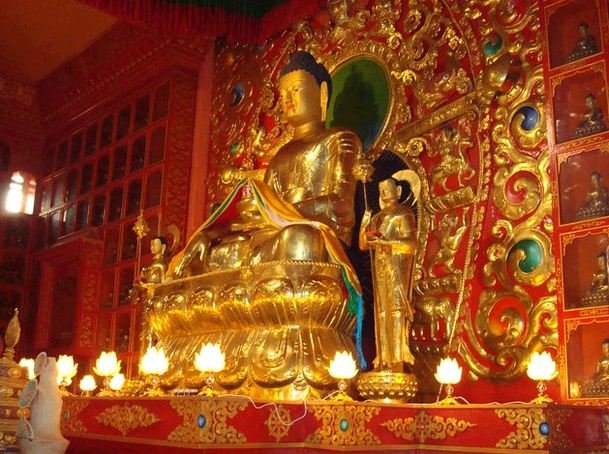
Bokar is a Tibetan Buddhist monastery and meditation centre above the town, at roughly 1,770 metres the highest point around the town. The prayer hall is calm and beautifully decorated. Remove your shoes where asked, dress modestly, speak softly and ask before taking photographs inside.
3. Rameetay Dara viewpoint
Continue along the same road beyond Bokar and you reach Rameetay Dara, a ridge viewpoint with wide views over the hills and, on clear days, the plains below. It pairs naturally with Bokar, so plan them together in one morning.
4. Phuguri Eco-Park
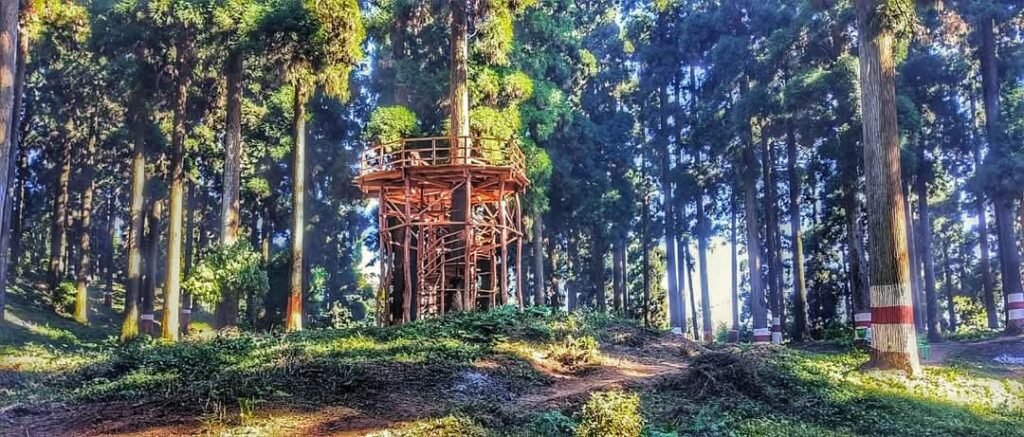
Phuguri Eco-Park is a pine forest park near the Allay ground, opened on 1 December 2024 through the Forest Department, the GTA and the local community. It has more than a kilometre of forest trails, which makes it a good, gentle morning walk. Read our full Phuguri Eco-Park guide for directions and visitor tips.
5. Chhabisay Viewpoint
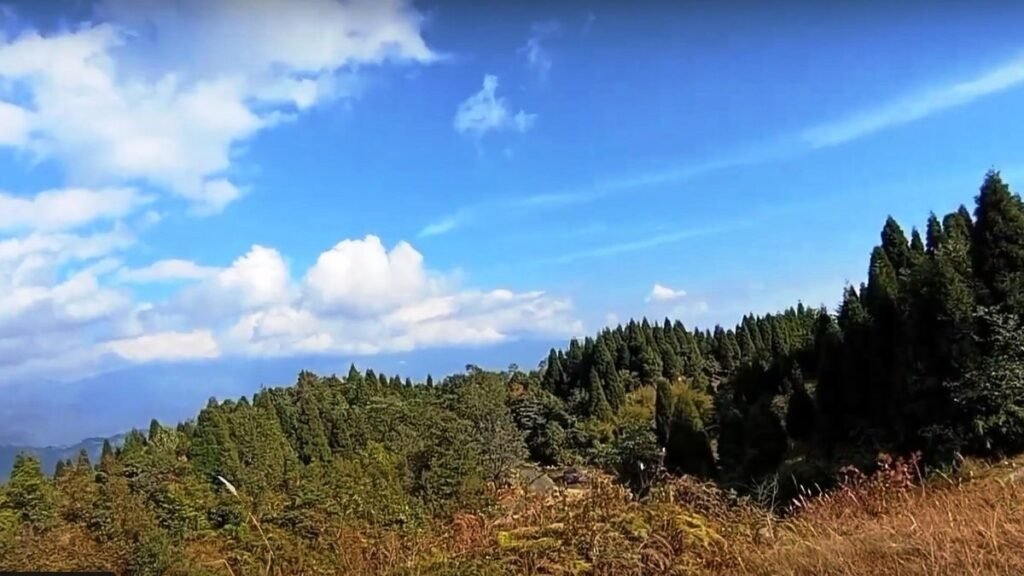
Chhabisay is a quiet viewpoint a few kilometres from Mirik Bazaar, close to the Nepal border. You reach it through Nakha Pani, turning left near Vrindhavan School, and the last stretch is rough, so a sturdy vehicle or a bike is best. Our Chabbisay Viewpoint guide has the full route.
6. Tea gardens around Mirik
Thurbo, Soureni, Gopaldhara, Singbulli, Okayti and Phuguri are among the estates in and around the town that produce Darjeeling tea. A slow drive through the gardens in the morning is a highlight in itself. Ask for permission before entering any estate or factory, and keep to the paths. For more estates across the hills, see our guide to the top tea gardens of Darjeeling, and our Darjeeling Tea Festival guide, since festival events have also been held in the area.
7. Pashupati market
Pashupatinagar on the India and Nepal border is a busy market known for clothes, electronics and household goods. It is worth a short stop if you like markets. Carry a valid photo ID, and check the current rules before you consider crossing the border.
All our travel guides for the area, in one place
Everything we have published that helps you plan a trip to Mirik, gathered here so you do not have to search for it.
- Places to Visit in Mirik: a short, practical list of the main sights.
- Phuguri Eco-Park: forest trails, timings and how to find it.
- Chabbisay Viewpoint: the route, the road and what to expect.
- Weather in Mirik: what each season feels like before you pack.
- Darjeeling taxi fare chart: the published fare list, including routes to the town.
- Darjeeling Tea Festival: past editions, with a few events in the hills too.
- Picnic spots around Darjeeling: including Dudhia Falls on the way up.
- Oranges of Darjeeling: the hill orchards and the orange season.
- Top tea gardens of Darjeeling: estates worth visiting across the hills.
- Namsu Eco Park: another new eco-tourism spot in the hills.
- How to travel from Kolkata to Darjeeling: useful if you are starting from the plains.
- All Mirik stories: news and features from the town.
Best time to visit Mirik
It is a year-round destination, but the season changes what you will see. Check our Mirik weather guide a few days before you travel.
| Season | Months | What to expect |
|---|---|---|
| Spring | March to May | Mild days, green slopes and good walking weather. A popular time, so book stays early. |
| Monsoon | June to September | Heavy rain, mist and a very green landscape. Landslides can slow roads, so keep your plans flexible. |
| Autumn | October to November | Clear skies and the best chance of mountain views. Festival season brings extra visitors. |
| Winter | December to February | Cold mornings and evenings, often with mist. Pack warm layers. Orange orchards in the hills are in season. |
How to reach Mirik
Most visitors come up from Siliguri or Darjeeling.
From Siliguri, Bagdogra and New Jalpaiguri
Bagdogra Airport and New Jalpaiguri railway station are both close to Siliguri, and the town is about 50 km further up into the hills. Shared taxis and buses run from Siliguri, or you can book a private taxi. Allow roughly two hours for the drive.
From Darjeeling, Kurseong and Kalimpong
Shared taxis connect Mirik with Darjeeling, Kurseong, Kalimpong and Sonada. From Darjeeling, allow around two hours. If you want to see what official fares look like, our Darjeeling taxi fare chart lists routes to the town.
From Kolkata and further away
Most travellers fly to Bagdogra or take an overnight train to New Jalpaiguri, then continue by road. Our guide on how to travel from Kolkata to Darjeeling covers the options, and the last part of the journey is the same.
Sample itineraries
One day in Mirik
Start with the lake loop in the morning, then drive up to Bokar Monastery and Rameetay Dara. After lunch, walk the trails at Phuguri Eco-Park or take a slow drive through a tea estate, and finish at the lake around sunset.
Two days: a relaxed weekend
On day one, do the lake, Bokar, Rameetay Dara and Phuguri Eco-Park. On day two, head out to Chhabisay Viewpoint, stop at Pashupati market, and spend the afternoon among the tea gardens.
Three days: slow travel
Add a village homestay, a long walk through the tea estates and a day trip to Kurseong or Darjeeling. It works well as a calm base between the two.
Where to stay and eat
Staying close to the lake lets you walk to cafes and shops in the evening. A tea-estate or village homestay is quieter, with views and home cooking, but you will need a vehicle for day trips. Browse our homestay guides and hotel guides for ideas, and look at restaurants and cafes for places to eat across the hills.
Combine it with nearby places
The town sits between the plains and Darjeeling, so it combines well with other stops. See our guides to Darjeeling, Kurseong, Kalimpong, Siliguri and Sikkim. If you are putting a longer trip together, use our Darjeeling trip planner to build a day-by-day route.
Practical tips for your visit
- Start early. Mornings are the clearest, and the lake is at its quietest.
- Carry some cash and download offline maps, because mobile signal can be patchy on ridges and in valleys.
- Wear shoes with grip. Forest trails and the road to Chhabisay can be slippery after rain.
- Respect monasteries and tea estates: ask before photographing people, and stay on the paths.
- Check road conditions before you travel in the monsoon, and keep one flexible day.
- Take your waste back with you. The pine forests and lakeside stay clean only if visitors help.
Frequently asked questions
How far is Mirik from Siliguri and Darjeeling?
It is about 50 km from Siliguri and roughly 45 to 50 km from Darjeeling by road. Allow around two hours for either journey, and more in the monsoon.
How many days do I need in Mirik?
One day covers the lake, Bokar Monastery and a tea estate. Two or three days let you add Phuguri Eco-Park, Chhabisay Viewpoint and a slower pace.
What is the best time to visit Mirik?
March to May and October to November are the most comfortable months, with the clearest views in autumn. The monsoon is wet and misty, and winter is cold.
Is Mirik better than Darjeeling?
They are different. Darjeeling has more sights and bigger crowds, while the smaller town is quieter and slower. Many visitors combine both in one trip.
Is boating available at Sumendu Lake?
Boating and horse rides are usually available at Sumendu Lake, but timings and availability change, so ask locally on the day.
Can I cross into Nepal from Mirik?
Pashupatinagar is a border market, but crossing rules differ for Indian and foreign visitors and can change. Check the current requirements before you go.
Does Mirik get snow?
Snow is not typical here. Winters are cold and misty, so carry warm layers, especially for early mornings and evenings.
Facts such as elevation, distances and the Lepcha name origin are drawn from the Mirik article on Wikipedia and our own visits. If you spot something that has changed, please tell us, or share your own Mirik story.