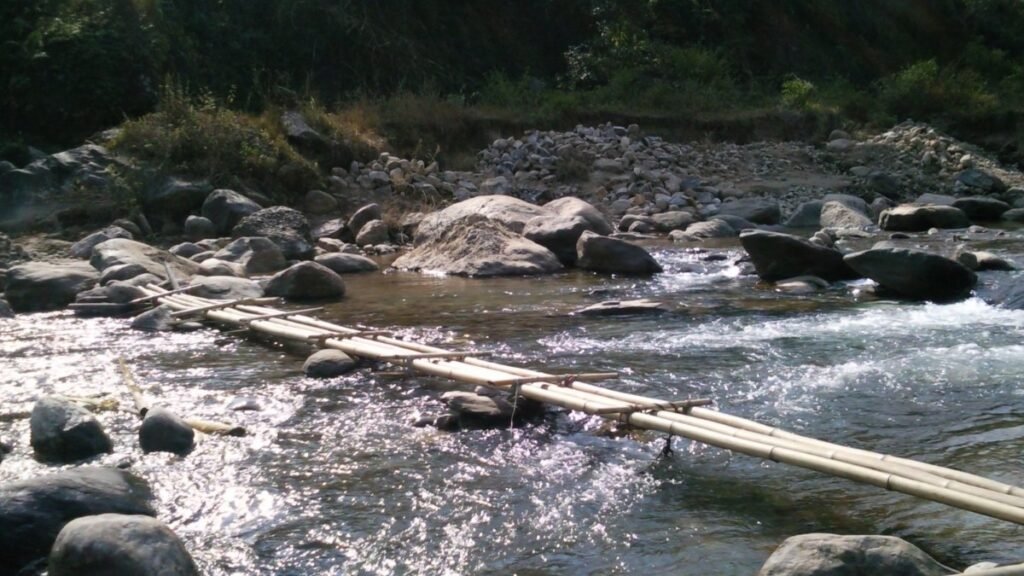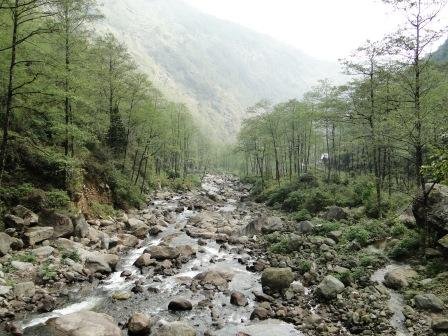
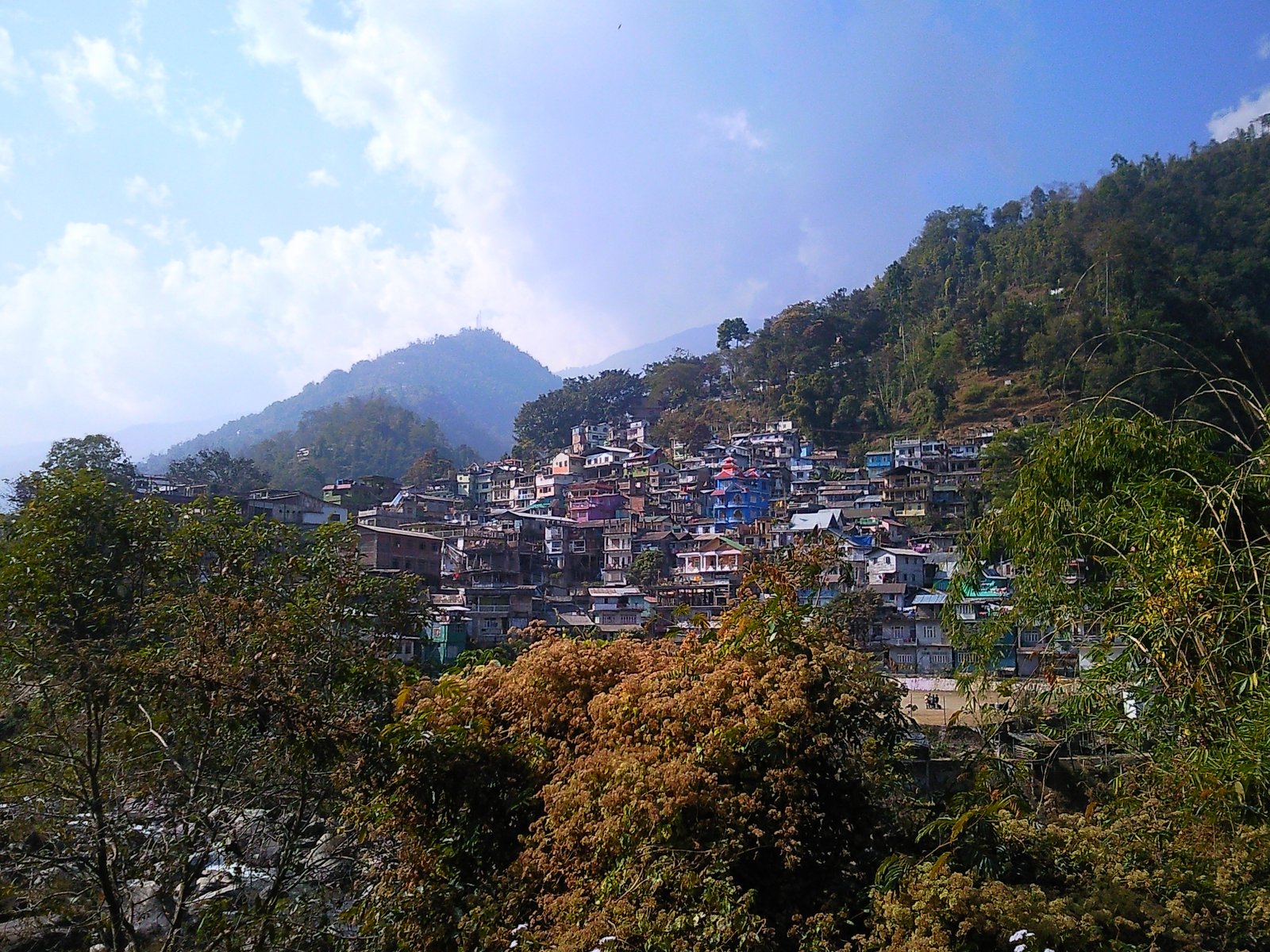
Bijanbari is a quiet hill town in the Darjeeling district of West Bengal, India, sitting at about 760 m (2,490 ft) above sea level in the valley of the Little Rangit (Chota Rangit) river. Surrounded by tea gardens, terraced paddy fields and orange orchards, it is the headquarters of the Darjeeling Pulbazar Development Block, locally known as the biggest block of West Bengal with 23 Gram Panchayats. The area is administered under the Gorkhaland Territorial Administration (GTA).
Away from the crowds of Darjeeling town, this valley town is an ideal offbeat destination in Darjeeling for travellers who enjoy village life, fresh mountain air, farm-fresh food and sweeping valley views. This guide covers how to get there, the best time to visit, local culture and farming, and the most beautiful places to see around it.
Bijanbari at a Glance
| Location | Darjeeling district, West Bengal, India |
| Altitude | About 760 m (2,490 ft) |
| Administrative role | Headquarters of Darjeeling Pulbazar Development Block (23 Gram Panchayats) |
| River | Little Rangit (Chota Rangit) |
| Population | About 5,300 in the town (2011 Census); roughly 2 lakh in the wider block (approx.). See population of Bijanbari |
| Language | Nepali (Hindi and English are also understood) |
| Main produce | Tea, rice (including basmati), maize, millet, potato, cardamom, oranges, pineapple |
| Distance from Darjeeling | About 15 to 24 km depending on the route, roughly 1 to 1.5 hours by road |
| Nearest rail / air | New Jalpaiguri (NJP) railway station and Bagdogra airport, both near Siliguri |
Population figures are from the 2011 Census as reported on Wikipedia. Route details are adapted from this Darjeeling to Bijanbari route guide.
What You Will Find in This Guide
- About Bijanbari: people, culture and language
- How to reach Bijanbari
- Best time to visit
- Farming and local produce
- Places to see around Bijanbari
- Wild flowers of the region
- Education in Bijanbari
- Where to stay
- Travel tips
- Frequently asked questions
- Related reading
About Bijanbari: People, Culture and Language
Set in the eastern part of the Darjeeling hills, where the Little Rangit river flows through the valley and tea estates climb the surrounding slopes. It is the main centre of the Pulbazar block, which has an estimated population of nearly 2,00,000 people, including more than 55,000 tea garden workers (approximate figures).
Nepali is the primary language spoken here, and people from all religions live together peacefully, including Buddhists, Hindus, Christians and Muslims. The pace of life is slow, markets close early and neighbours know each other, which is exactly why visitors find Bijanbari so refreshing.
How to Reach Bijanbari
The town is well connected by road, and most visitors travel from Darjeeling town or Siliguri.
- From Darjeeling: Take a taxi or shared jeep via Ghoom or via CV Raman Road. The drive is roughly 15 to 24 km depending on the route and takes about 1 to 1.5 hours through tea gardens, forest and waterfalls. Check current fares in our guide to Darjeeling taxi fare.
- From Siliguri / NJP / Bagdogra: The nearest railway station is New Jalpaiguri (NJP) and the nearest airport is Bagdogra. Hire a taxi to Darjeeling or ask your driver for the route to Bijanbari or Pulbazar. Our places to visit in Siliguri page helps with planning a stopover.
- Road conditions: Hill roads can be damaged by landslides during the monsoon, so confirm the route with local drivers before you travel.
Best Time to Visit Bijanbari
- October to November (autumn): clear skies, crisp air and the best valley views. The paddy harvest begins to ripen.
- March to May (spring): pleasant weather, flowering season and good light for photography.
- June to September (monsoon): everything turns lush green and paddy is transplanted, but heavy rain brings landslide risk.
- December to February (winter): cool and dry. At 760 m, the town is milder than Darjeeling town, while higher villages are colder.
Farming and Local Produce
Agriculture is the backbone of life here. Farmers grow potatoes, cardamom, sweet-smelling basmati rice, maize, millet, peas, beans, cauliflower, cabbage and tomatoes, while fruit orchards produce pineapples and plums. Squash and oranges are an important source of income for families living in the outskirts, such as Kainjalia, Sumbuk, Jhepi, Thapagaon and Samalbong.
Paddy Cultivation and Basmati Rice
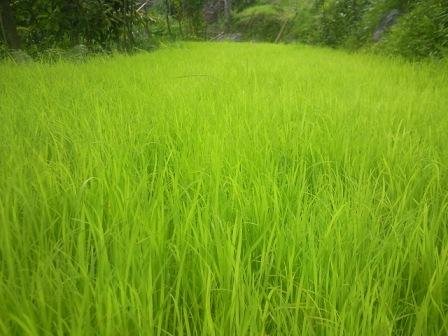
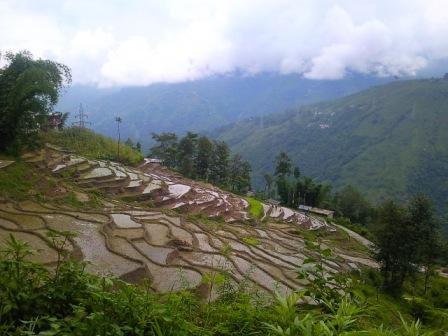
Paddy, known locally as khet (Nepali: खेत), is planted in June–July and harvested around November–January, a season called Mangsir in Nepali. The terraced fields turn emerald green in summer and golden before harvest.
Oranges of the Valley
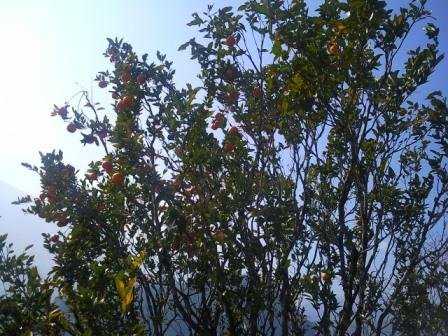
The mild climate is ideal for oranges, one of the main cash crops of the region. In season, the fruit is carried by road to the markets of Siliguri for sale. If you visit between late autumn and winter, look out for orange trees heavy with fruit along village paths.
Places to See Around Bijanbari
The town is also an excellent base for short day trips. Here are the most rewarding places, listed roughly in the order you meet them on the road.
Hima Falls and the Tea Gardens
On the way to Bijanbari you can stop at Hima Falls, a lovely waterfall and popular picnic spot. A few kilometres further you pass through some of the world-famous Darjeeling tea gardens, including Marybong and Rishihat, which offer mesmerising views of the valley below.


Pulbazar and the Sericulture Farm
Moving downhill you reach Pulbazar, the commercial centre of the block. A short walk from the bazaar brings you to a sericulture farm where silk worms are reared. Bijanbari lies a short distance beyond Pulbazar. For the administrative background, read about the Darjeeling Pulbazar Development Block.
Kainjalia, Jhepi, Sumbuk, Lodhoma and Rimbick
Travelling uphill you come to a string of villages: Kainjalia, Jhepi, Sumbuk, Lodhoma and Rimbick. At Lodhoma stands the Rammam hydel power station, one of the major hydro projects of the Darjeeling hills. Rimbick is a gateway for trekking routes towards the Singalila range.
Hom Dara and Relling
Hom Dara is a scenic hill on the upper side of Relling, seen here from Kainjalia. It is a rewarding spot for photographers and walkers who want to explore beyond the main road.

Kolbong and the View of Daramdin, Sikkim
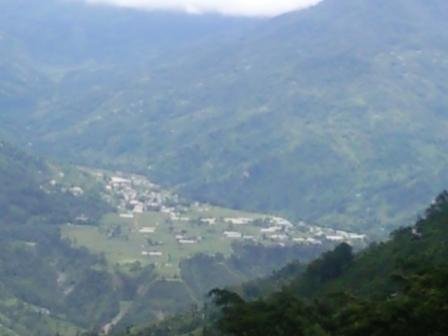
About 5 to 8 km from Kainjalia (depending on the route), Kolbong offers a beautiful view across the valley to Daramdin in Sikkim. The photograph was taken from School Dara. Nearby, a peaceful spot called Aaley is loved by villagers for its calm atmosphere.
Wild Flowers of the Region
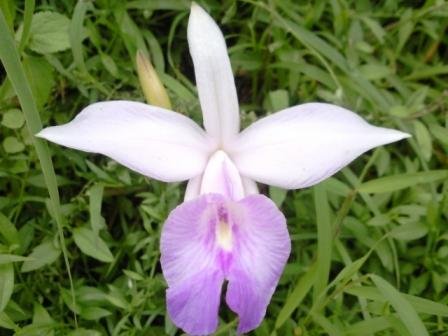
The forests and hillsides around Bijanbari are home to many wild flowers. One of the loveliest is locally known as Pyaji Phool, a daffodil-like bloom that grows in red and black soil. Another forest flower you may spot is the Sunakhari.

Education in Bijanbari
Bijanbari has several private schools and a government school up to class 12. The degree college was started in October 1995 with the support of fair-trade consumers of tea in West Bengal, giving local students access to higher education close to home. Read about the online application for Bijanbari Degree College.
Where to Stay in Bijanbari
Facilities are simple and friendly. Many travellers choose a village homestay for local food and warm hospitality. Browse our homestay listing service for Darjeeling or see the Bamboo Resort of Bijanbari. If you want a longer itinerary, our plan your trip page can help you combine Bijanbari with other destinations.
Travel Tips for Bijanbari
- Carry some cash, as ATMs and card facilities may be limited in smaller villages.
- Start early in the day, as the town is quiet by evening and hill roads are best driven in daylight.
- Wear comfortable walking shoes and carry a light rain jacket in every season.
- Respect local customs, ask before photographing people and avoid leaving plastic waste in tea gardens and streams.
- Check road conditions with local drivers before travelling in the monsoon.
Frequently Asked Questions About Bijanbari
Where is Bijanbari located?
It lies in the Darjeeling district of West Bengal, in the Darjeeling Pulbazar block, at an altitude of about 760 m on the banks of the Little Rangit river.
How far is Bijanbari from Darjeeling?
Depending on the route, it is about 15 to 24 km from Darjeeling town and takes roughly 1 to 1.5 hours by road.
What is Bijanbari famous for?
It is known for its tea gardens, terraced paddy fields, oranges, scenic views of Sikkim and its position as the headquarters of the biggest block of West Bengal.
What is the best time to visit Bijanbari?
October to November and March to May offer the clearest weather. Avoid heavy monsoon days because of landslide risk.
Is there accommodation in Bijanbari?
Yes, you can find homestays and small resorts in and around Bijanbari. See our homestay listing for options.
Related Reading on Search Darjeeling
- Pulbazar – the market town and sericulture farm
- Relling – a village on the hills above Bijanbari
- Meghetar, Darjeeling – another offbeat village
- Sirikhola Daragaon
- Population of Bijanbari
- Bridges used in olden days
- Explore more: places to visit in Darjeeling, places to visit in Kalimpong and places to visit in Sikkim
Help Us Improve This Article
I have tried to cover the important places around Bijanbari. If you have photos, corrections or local information to add, please share it with us here.